STRAY DOGS, HUMAN DUTY: LESSONS FROM THE SUPREME COURT THAT STILL MATTER
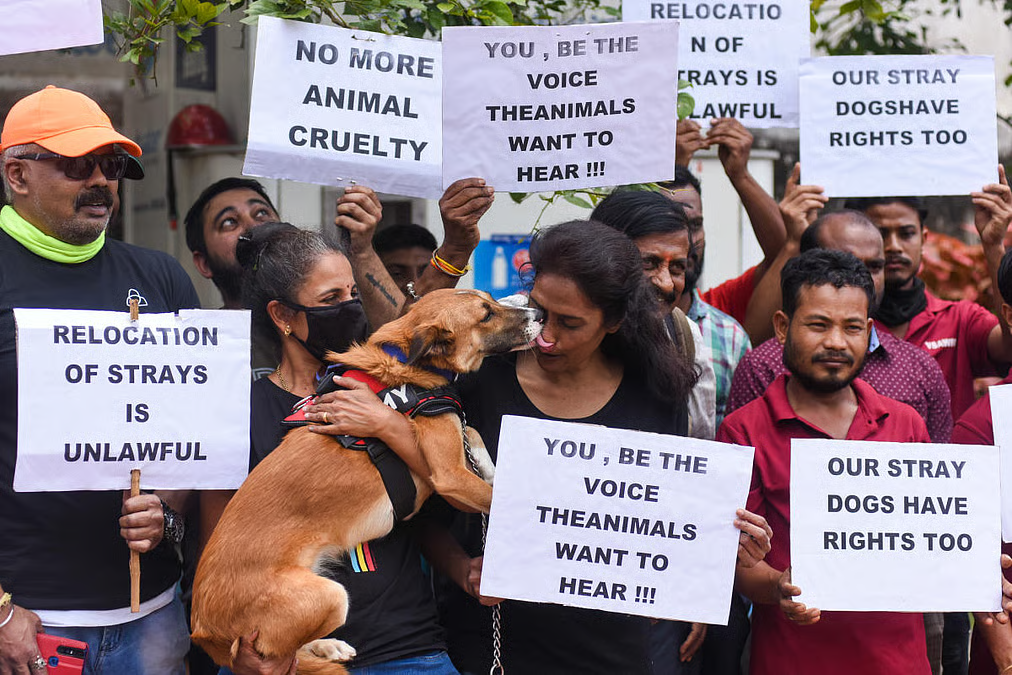
Introduction: Why the Supreme Court’s Stray Dog Judgment Still Matters
Stray dogs have long been a visible presence on India’s streets, coexisting with people in cities, towns, and villages. They often spark debates—some view them as loyal companions of our neighborhoods, while others see them as a challenge to public safety. The Supreme Court’s judgment on stray dogs was therefore not just about law, but about finding a balance between human concerns and animal rights.
The ruling made it clear that stray dogs have the right to live and must be treated with dignity, while also emphasizing the importance of sterilization and vaccination to address safety concerns. This decision was a reminder that compassion and responsibility go hand in hand. Even if some time has passed since the judgment, the message remains as relevant as ever.
What Does the Supreme Court Judgment Say?
The Supreme Court judgment on stray dogs was a landmark ruling that highlighted both animal rights and community responsibilities. The Court made it clear that stray dogs cannot be eliminated or subjected to cruelty, and instead emphasized long-term solutions like Animal Birth Control (ABC) programs and mass vaccination drives. These measures help control the dog population and reduce the risk of diseases such as rabies.
For example, according to government data, India conducts over 6–7 million dog sterilizations annually, yet lakhs of new puppies are still born on the streets each year. This shows why sterilization and vaccination must go hand in hand with community awareness. The Court also pointed out that citizens have the right to feed stray dogs, but it should be done in a way that does not create conflict or safety risks.
Straight up, the judgment reminds us that protecting humans and caring for animals are not opposing goals—they are two sides of the same responsibility.
Stray Dogs and Human Duty: Our Shared Responsibility
Caring for animals on the streets is more than an act of kindness—it is a shared human responsibility. The idea behind Straight Ops is to create awareness that stray dogs need food, medical care, and respect to coexist safely with people. The Supreme Court judgment reinforced this duty by stressing humane solutions like sterilization, vaccination, and responsible feeding. When citizens accept this responsibility, it builds communities that are safer, more compassionate, and balanced for both humans and animals.
Sk children foundatioX SSA PROJECT for stray dogs or animals
Back in 2021, SK Children Foundation took a step forward to support and care for stray dogs, providing them with food and attention they often miss on the streets under SSA project. This work directly connects with the Supreme Court judgment, which made it clear that stray dogs cannot be harmed and deserve dignity, safety, and care.
The judgment also highlighted the need for long-term solutions like sterilization and vaccination, but it equally reminded us that community support matters. Nutrition, compassion, and responsible feeding can make a huge difference in the lives of animals who live on our streets. At SK Children Foundation, we continue to believe that protecting people and caring for every stray dog are responsibilities we share.
Children, Empathy, and the Lesson of Coexistence
Children often form the purest bonds with animals, and their interactions with stray dogs can teach powerful lessons of kindness and empathy. A child who learns to offer food or water to a stray is not just helping an animal in need but also developing compassion that lasts a lifetime. These small gestures of care teach patience, responsibility, and the value of coexistence.
When children grow up seeing animals as part of their community rather than as threats, they carry forward these values into adulthood. Schools, families, and communities can encourage this by creating awareness about humane treatment of animals. In the end, teaching empathy towards animals is not only about caring for strays—it’s about nurturing a generation that respects all forms of life and builds a kinder society.
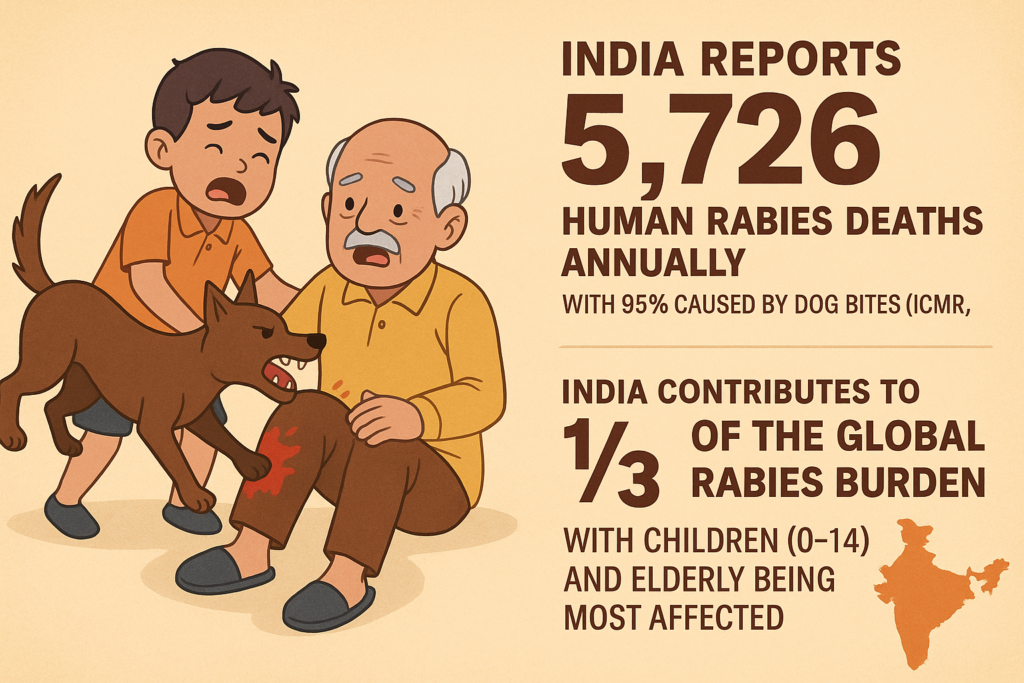
Balancing Safety and Compassion in Our Communities
Living alongside a stray dog comes with both opportunities and challenges. While these animals deserve dignity and care, concerns about safety and public health are also real. The key lies in finding balance—through sterilization, vaccination, and responsible feeding practices. Communities that work together can reduce conflicts, prevent diseases like rabies, and still ensure that animals are treated humanely. True progress is achieved when compassion is shown without compromising safety, creating neighborhoods where both people and stray dogs can coexist peacefully.
Conclusion: Towards a Humane and Inclusive Future
The Supreme Court judgment was not just about law, but about compassion and shared responsibility. It reminded us that every stray dog deserves dignity, safety, and care, while also stressing the need for sterilization, vaccination, and responsible feeding to maintain balance in communities. A humane future means recognizing that these animals are part of our environment and must be treated with respect.
When citizens see a stray dog not as a problem but as a fellow being, society moves closer to inclusivity. Through empathy and collective action, we can create neighborhoods that are both safe for people and welcoming for animals. In the end, the path to a humane and inclusive future is built on everyday choices—choosing kindness, coexistence, and responsibility over neglect and cruelty.
By – RIYA SINGH
MUST READ: HOW TO ADVISE 100 A STREET SCHOOL ON BRIDGING THE LEARNING GAP
